
MIL-STD-810 Environmental Testing
MIL-STD-810 Environmental Engineering Considerations and Laboratory Tests
DNB performs testing according to all MIL-STD-810 revisions, including the latest MIL-STD-810(G). MIL-STD-810 is a U.S. Department of Defense standard for Environmental Engineering Considerations and Laboratory Tests, designed to evaluate how military equipment withstands environmental stresses. It covers methods like shock, vibration, temperature, and altitude to disclose defects, verify design, and ensure operational suitability throughout a system’s life cycle. This specification established chamber test methods that replicate the effects of environments on the equipment rather than imitating the environments themselves. Although prepared specifically for military applications, the standard is often used for commercial products as well. Our experienced engineers help to develop test implementation plans and instructions, and conduct tests according to the established direction.
The standard’s guidance and test methods are intended to:
- Define environmental stress sequences, durations, and levels of equipment life cycles;
- Be used to develop analysis and test criteria tailored to the equipment and its environmental life cycle;
- Valuate equipment’s performance when exposed to a life cycle of environmental stresses
- Identify deficiencies, shortcomings, and defects in equipment design, materials, manufacturing processes, packaging techniques, and maintenance methods;
- Demonstrate compliance with contractual requirements.
Specific examples of Test Methods called out in MIL-STD-810 are listed below:
- Test Method 500.6 – Low Pressure (Altitude)
- Test Method 501.6 – High Temperature
- Test Method 502.6 – Low Temperature
- Test Method 503.6 – Temperature Shock
- Test Method 504.2 – Contamination by Fluids
- Test Method 505.6 – Solar Radiation (Sunshine)
- Test Method 506.6 – Rain
- Test Method 507.6 – Humidity
- Test Method 508.7 – Fungus
- Test Method 509.6 – Salt Fog
- Test Method 510.6 – Sand and Dust
- Test Method 511.6 – Explosive Atmosphere
- Test Method 512.6 – Immersion
- Test Method 513.7 – Acceleration
- Test Method 514.7 – Vibration
- Test Method 515.7 – Acoustic Noise
- Test Method 516.7 – Shock
- Test Method 517.2 – Pyroshock
- Test Method 518.2 – Acidic Atmosphere
- Test Method 519.7 – Gunfire Shock
- Test Method 520.4 – Temperature, Humidity, Vibration, and Altitude
- Test Method 521.4 – Icing/Freezing Rain
- Test Method 522.2 – Ballistic Shock
- Test Method 523.4 – Vibro-Acoustic/Temperature
- Test Method 524.1 – Freeze / Thaw
- Test Method 525.1 – Time Waveform Replication
- Test Method 526.1 – Rail Impact.
- Test Method 527.1 – Multi-Exciter
Please contact us if your test is not listed above.
- DSCC Approved — DNB is a Defense Supply Center, Columbus (DSCC) approved lab, and is on the DSCC Laboratory Suitability List.
Dynamic Testing
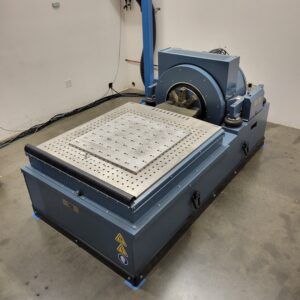
- Vibration
- Shock
- Acceleration
- Transportation Vibration
Climatic Testing
- Altitude
- Humidity Testing
- Salt Spray
- Hail Impact Testing
- Icing
- Waterproofness
- Thermal shock
- Temperature
- High / Low Temperature
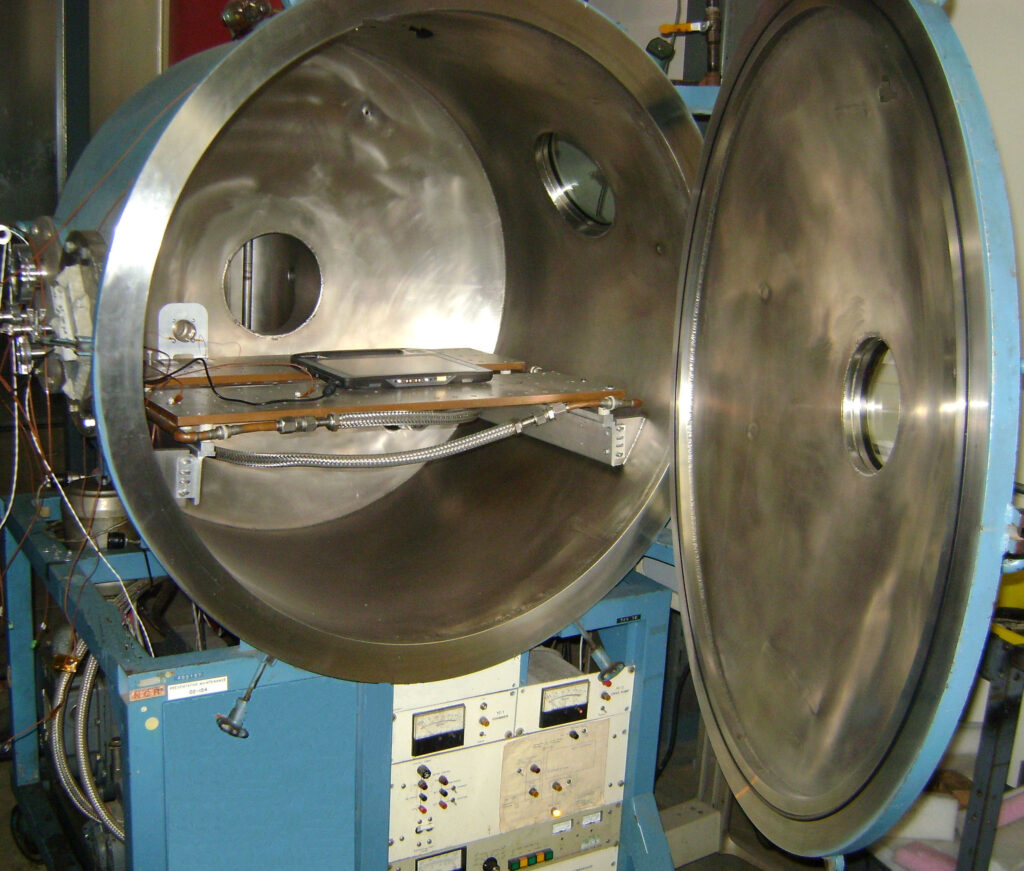
- Vacuum
- Sand & Dust
- Wind
- Settling Dust
- Solar Radiation
- Explosive Atmosphere

Acoustic Testing
This test is conducted to measure how well a piece of equipment will withstand or operate in intense acoustic noise fields.
- Acoustic Noise Testing
- Acoustic Immunity Testing